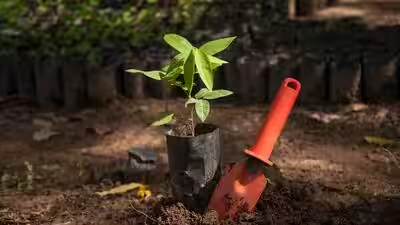
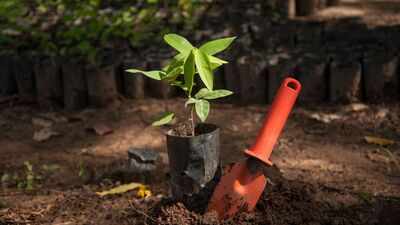
Bangladesh is preparing for one of its most ambitious green initiatives yet: a nationwide plan to plant 250 million trees over the next five years. The program is designed to increase the country’s green cover, deliver on a key election promise, and support long-term climate and biodiversity goals. But as conservationists point out, planting such a vast number of trees is not just about quantity. If the wrong species are chosen or planted in the wrong places, the effort could quietly damage entire ecosystems instead of healing them.At the heart of the initiative is a coordinated government push. State minister Shaikh Faridul Islam from the Ministry of Environment, Forest and Climate Change (MoEFCC) has explained that the plan brings together multiple ministries and state agencies, including agriculture, local government, road transport, education and even the Bangladesh Army, according to Mongabay.Each of these bodies will be given a specific quota of saplings to plant, and the funding will come from their existing annual budgets rather than from a separate, large new fund. In parallel, non-governmental development organizations are being asked to commit to their own planting targets, at their own cost, effectively turning the drive into a nationwide effort that cuts across public and private sectors.To manage and monitor such a large program, the government has formed a task force led by MoEFCC. The task force is working on an online application and dashboard that will allow real-time tracking: how many trees have been planted, where they are, which agency planted them, what species were chosen, and how much area is covered, as per the report. The plantation drive is expected to run for five years, with saplings being planted on a wide range of sites: government-owned khas land, riverbanks, roadsides, office premises, deforested forest patches and newly formed charlands, the temporary river islands that frequently appear in Bangladesh’s shifting waterways.The design of the program goes beyond simply finding empty land. Officials say the task force has prioritized both ecological and social needs when selecting regions and allocating saplings. One hundred million trees are earmarked for coastal districts, where degraded mangrove forests need to be restored and communities need protection from erosion and cyclonic tidal surges.Another 50 million saplings are planned for hill forests in the Chittagong Hill Tracts and Sylhet, as well as sal forests in central Bangladesh, areas that have suffered from logging, encroachment and land-use change. Urban areas, where heat stress and air pollution are rising, are set to receive 12.5 million saplings to help cool cities and improve air quality. The remaining trees will be distributed along riverbanks, wetlands, roadsides, and within government compounds, including schools and offices, to create more shade and everyday greenery.
Challenges of the project
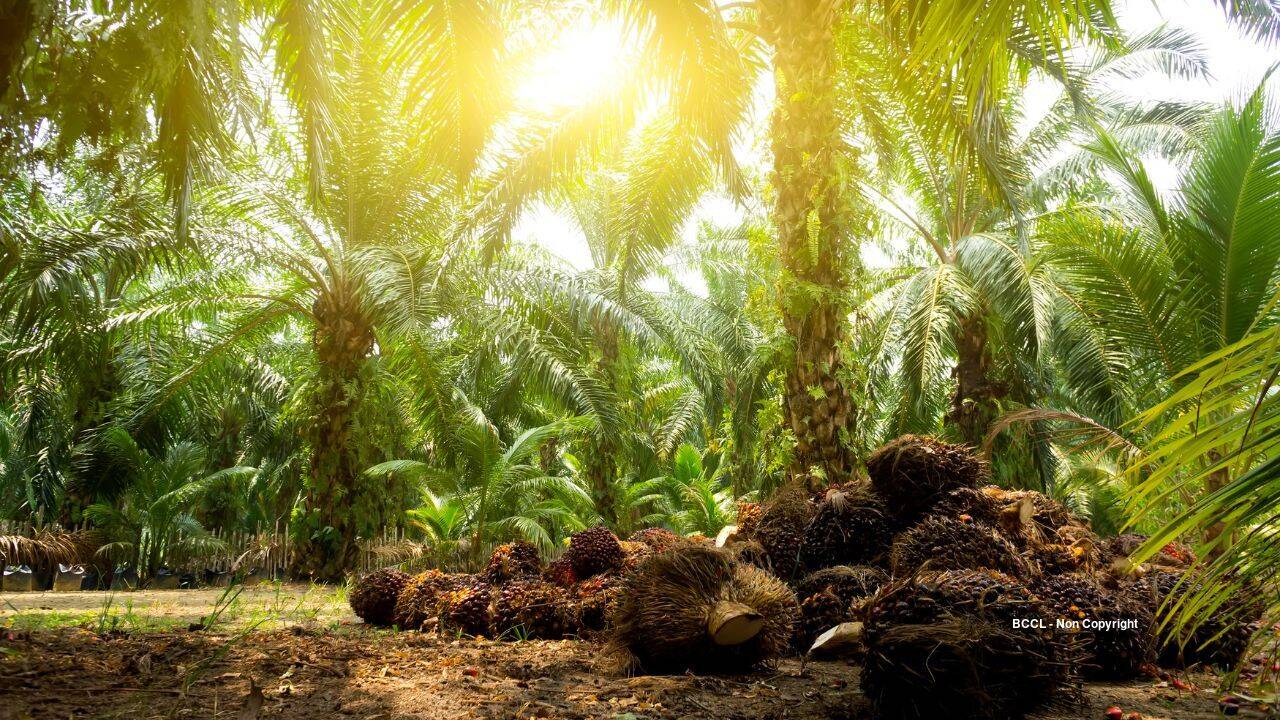
Representative image
Choosing what to plant is arguably the most critical part of the entire initiative.According to the Bangladesh Forest Department, about 12.1% of the country’s land is officially classified as forest, though overall tree cover is closer to 24.4% when homestead and scattered trees are included. The new plan aims to increase that coverage with species selected according to local ecology and site conditions. Timber, fruit-bearing and medicinal plants are all part of the mix. In coastal zones, keora (Sonneratia apetala) has been chosen to strengthen mangrove belts, while in hill forests, species like garjan (Dipterocarpus turbinatus) and other well-adapted native trees are being prioritized.This emphasis on native species is a significant change from past practice. For many years fast-growing exotics such as eucalyptus and acacia were widely planted on deforested lands under social forestry schemes, which allowed local communities living near forest edges to plant and manage trees, and then harvest and sell them after about twenty years, with a large share of the profits going to local communities and the rest to the government. However these species proved to be invasive and heavy water users, with negative impacts on soil health, biodiversity and local hydrology. The previous government banned further planting of eucalyptus and acacia in 2025, acknowledging the long-term damage caused by these species.Even so, economic realities cannot be ignored. Islam and other officials recognize that people involved in such initiatives need to see economic benefits within a reasonable time frame. Alongside native trees, the plan is considering fast-growing fruit-bearing species that can provide shorter-term returns through harvests, making it easier to motivate communities to participate and take care of saplings. In cities and educational campuses, the focus is also on beauty and identity: ornamental flowering trees such as Krishnachura (Delonix regia), jarul (Lagerstroemia speciosa), sonalu (Cassia fistula), bakul (Mimusops elengi) and Radhachura (Peltophorum pterocarpum) have been selected to add color, shade and a sense of place to urban landscapes.Forestry expert Farid Uddin Ahmed has noted that, for trees planted around homes and in community spaces, fast-growing species can be important to keep people interested and hopeful about future earnings, according to Mongabay. At the same time, he has cautioned that Bangladesh does not yet have a large market for medicinal plants. Only a few major pharmaceutical companies use plant-based raw materials, and largely from their own agricultural plots. That means large-scale planting of medicinal species might not always translate into real income for ordinary people.Beyond species choice, there are practical challenges that could determine whether this massive project succeeds or fails.Bangladesh already has a tradition of tree planting during the monsoon season, often timed around World Environment Day on June 5. But the current initiative is much larger and more complex than usual seasonal drives. Professor Khaled Misbahuzzaman of Chittagong University has emphasized three major hurdles. First, the Forest Department must carefully assess what types of plants are truly needed and suitable for each ecological zone. Without that assessment, the risk of mismatched species, the “wrong trees in the wrong place”, increases.Second, the quality of saplings is a real concern. Many seedlings are produced by private nurseries, and their standards can vary widely. Poor-quality saplings are more likely to die, wasting effort and funds. Third, and perhaps most importantly, saplings need protection and care after planting.Watering, guarding from grazing animals, and early maintenance are essential. Without a robust post-plantation care plan, a large portion of the 250 million trees could fail to survive, turning the project into a costly symbolic gesture rather than a lasting ecological gain, according to the report.Currently, around 435 social forestry nurseries and centers across the country produce roughly 7.5 million saplings per year within government facilities. Scaling up to hundreds of millions of trees will require careful planning and expansion of this supply, along with improved quality control.The initiative is also closely linked to Bangladesh’s international commitments. Under the 2024 UN Convention on Biological Diversity, the country has pledged to restore 15% of its degraded terrestrial, coastal, freshwater and marine ecosystems by 2030. Its National Adaptation Plan (2023–2050) and Third Nationally Determined Contribution (NDC) under the Paris Agreement both identify afforestation and ecosystem restoration as key tools for mitigating global warming and building climate resilience, as per reports. Climate and nature-based solutions researcher Haseeb Irfanullah has welcomed the scale of the plan, noting that a comprehensive plantation effort could give Bangladesh an opportunity to integrate its outputs into national and international reporting, strengthening its credibility as a country using nature-based solutions in climate policy.Taken together, Bangladesh’s plan to plant 250 million trees in five years is bold and inspiring, but it is also delicate. On paper, the numbers look impressive.In practice, the true impact will depend on how well the country balances ecological science with community realities.Planting native, diverse and well-suited species could help restore mangroves, revive hill forests, cool cities and stabilize riverbanks. Planting the wrong trees, or neglecting saplings after they go into the ground, could damage soil, disrupt habitats and undermine the very ecosystems the project seeks to protect. The next few years will reveal whether this vision of a greener Bangladesh becomes a living forested legacy—or a reminder that good intentions alone are not enough in conservation.