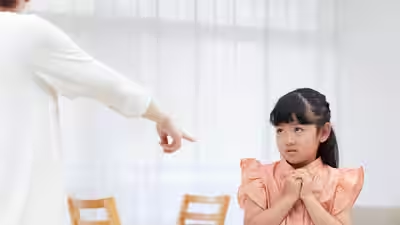

One of the most unsettling moments for any parent is catching their child telling a lie. Whether it is denying they ate the last biscuit despite the crumbs on their face or insisting homework was never assigned, many parents immediately wonder if something has gone wrong. But child psychologists say that, in most cases, lying is not a sign that a child is becoming dishonest. Instead, it is often a normal part of growing up. In fact, research by developmental psychologists Victoria Talwar and Kang Lee has consistently found that lying emerges alongside important cognitive milestones. As children develop better memory, self-control and the ability to understand what other people know or believe, they also become capable of deception. Experts emphasise that while lying should be addressed, it should also be understood in the context of healthy brain development.
They are discovering that other people think differently
One of the biggest reasons children begin lying is because they develop what psychologists call “theory of mind”, the ability to recognise that other people have thoughts, beliefs and knowledge that may differ from their own. Once children understand that parents cannot automatically know everything they know, they realise they can change someone else’s perception of reality.
28 Jul 2026 | 16:22
How do you teach children about money and financial responsibility?
A 2022 review by Victoria Talwar and Angela Crossman suggests that children’s lying is shaped not only by cognitive development but also by the social environments they grow up in. Parents, siblings, teachers and other adults influence children’s understanding of honesty through both direct teaching and everyday behaviour. Mixed messages, harsh discipline and exposure to lying can make children more likely to use deception. In contrast, supportive parenting that rewards honesty can encourage truthful behaviour. The authors conclude that lying develops through a complex interaction of individual, family and environmental factors over time, highlighting the need for a holistic approach to promoting honesty.
Fear of punishment often outweighs honesty
Sometimes, children lie for a much simpler reason: they want to avoid getting into trouble. If admitting the truth feels likely to lead to anger, punishment or disappointment, many children instinctively choose what they believe is the safer option.
Another study by Victoria Talwar and Kang Lee found that children’s ability to lie develops alongside their social and cognitive growth. While many children as young as three years old could deny a wrongdoing, older children were better at maintaining their lies consistently. The researchers found that executive functioning, inhibitory control and theory of mind played important roles in children’s deceptive abilities. Children’s moral understanding of lying was also linked to whether they chose to tell the truth or lie. The findings suggest that lying is not simply a sign of dishonesty but reflects important developmental changes in children’s thinking, self-control and social understanding.
They want to protect someone’s feelings
Not all forms of lying are driven by selfish motivations. As children progress into their later developmental stages, they start to engage in what psychologists refer to as “prosocial” or “white” lies. For instance, they might express enthusiasm for a birthday present that they did not particularly like, or they may offer compliments on someone’s artwork, all in an effort to spare that person’s feelings from potential hurt.A 2024 study by Cynthia Xinran Guo and Philippe Rochat found that children’s earliest lies are mainly driven by self-protection, such as avoiding blame or punishment. The researchers observed that children as young as 2½ years old were more likely to deceive when it benefited themselves. By around age four, however, children also began telling lies to protect or help others, including prosocial or “white” lies. The study also found that verbal and nonverbal deception may reflect different aspects of children’s dishonest behaviour. Overall, the findings suggest that the motivations behind lying become more socially complex as children grow and develop.
Children learn by watching adults
Experts frequently remind parents that children are very observant and pay close attention to the ways in which adults communicate with one another. When children consistently witness their parents making excuses, embellishing stories, or telling seemingly harmless white lies, they quickly come to understand that the concept of honesty can occasionally be somewhat flexible.
Imagination and reality are still blending
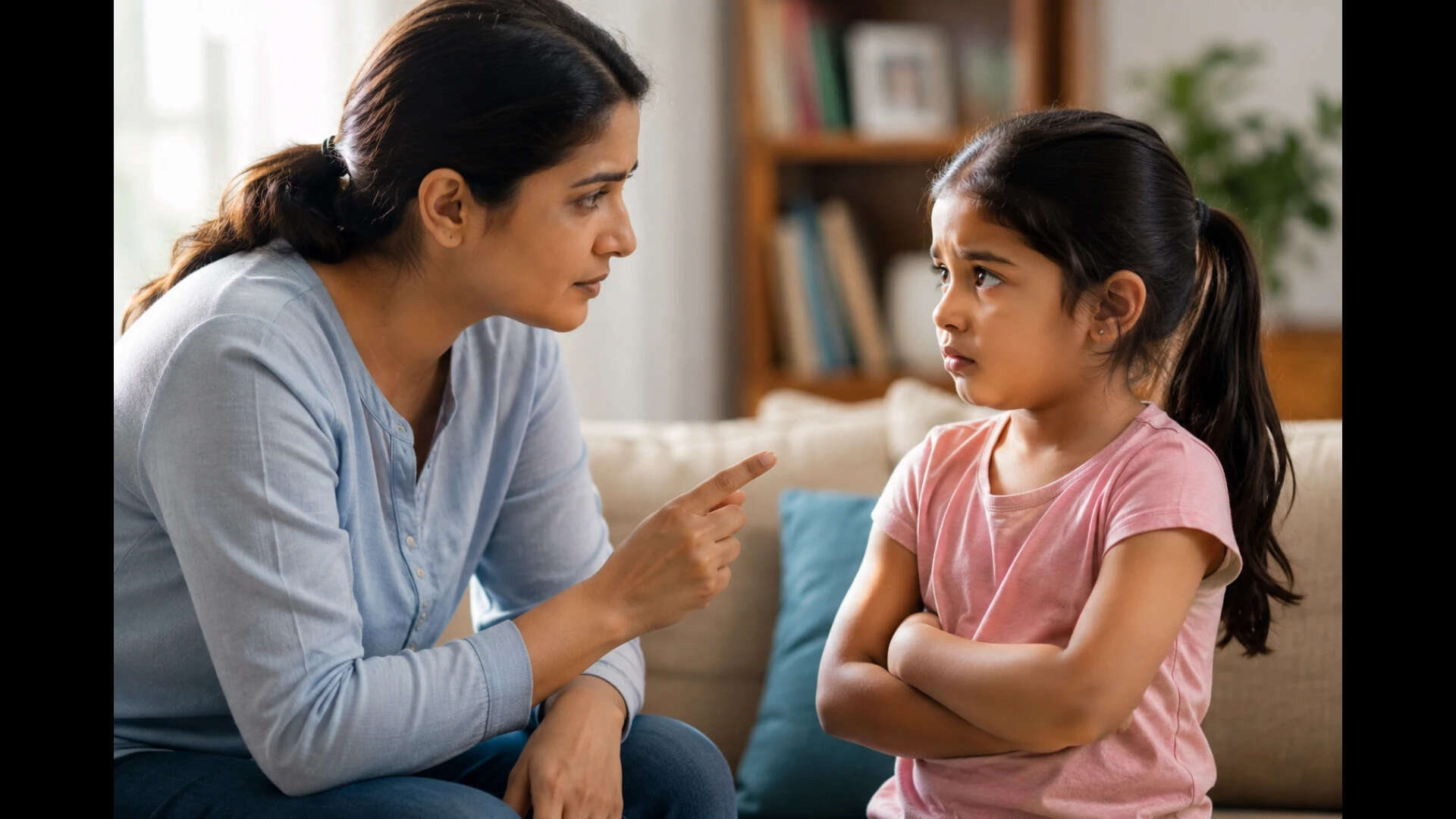
It is important to understand that young children do not always engage in lying with the intention to deceive. Oftentimes, they create imaginative stories as a result of their reality and fantasy intertwining within their young minds. For instance, a preschool-aged child may adamantly claim that their beloved toy vanished because it was taken away by a dinosaur or they might recount a fantastical adventure as if it were a true experience that actually took place.Developmental specialists emphasize that early childhood is a phase in which children are still in the process of learning to differentiate between what is real and what is a product of their imagination. As their cognitive abilities and skills develop over time, they gradually become more adept at telling apart fanciful storytelling from intentional lying.
Lying can even signal stronger thinking skills
Perhaps the most surprising finding from developmental psychology is that children who successfully tell convincing lies often demonstrate stronger executive functioning skills. Constructing a believable lie requires memory, planning, self-control and the ability to keep track of another person’s perspective.Research has found that children with more advanced cognitive abilities are often better able to maintain consistency in their stories, although experts stress this is not an endorsement of lying. Instead, it highlights that deception depends on sophisticated mental processes developing with age.
How parents should respond
Experts in child psychology strongly advocate against the tendency to label a young child simply as “a liar.” Instead, they suggest that parents take a deep breath and remain calm, seeking to understand the underlying reasons behind the child’s reasons for lying. Additionally, they emphasize the importance of fostering an environment where speaking the truth is perceived as emotionally safe and secure for the child. If parents respond with overly severe reactions, it may inadvertently heighten the chances of future dishonesty, as the child may become more preoccupied with the idea of avoiding punishment rather than embracing the value of being truthful.Research consistently suggests that children learn honesty best when adults model truthful behaviour, praise honesty even after mistakes and use lies as opportunities to teach trust rather than simply punish deception. Most children occasionally lie, but with patient guidance and open communication, honesty usually strengthens as they mature.