

Bernard Arnault, Chairman and CEO of luxury conglomerate LVMH, has built one of the most successful business empires in the world through years of effort. However, the one mindset that helped him build a luxury empire is what many companies tend to forget under pressure. While most CEOs put their primary focus on quarterly reports, Arnault emphasises a completely different approach. He thinks patience can outperform short-term business wins, and the need is to be long-term oriented instead of concentrating only on the quarterly results. The advice may seem simplistic at first glance, but according to business professionals, it represents a broader strategy associated with trust, quality and brand-building over time. In an environment where constant reporting and quick response are key to success, Arnault’s unique approach distinguishes him from other executives. LVMH, with such brands as Louis Vuitton, Dior, Tiffany & Co., and Moët & Chandon, stresses in its corporate communications with investors and consumers the importance of long-term desirability and workmanship.Why the advice is relevant in the current situationReporting is an essential aspect of business operations today. Publicly traded corporations are expected to grow quarter after quarter, and sales and forecasts are constantly observed by investors. According to experts, the impact of pressure can force organisations to make choices in favour of short-term achievements without consideration for future stability.Arnault’s philosophy is the opposite approach. The emphasis is not on quarterly figures but on ensuring high-quality products and a favourable reputation of the company for many years ahead.Experts in the business sphere claim that it is hard to restore trust and brand value once they are destroyed. According to the Harvard Business Review, too much emphasis on short-term goals by a company can be destructive since it can affect customer loyalty.The risks of prioritising short-term goalsIt is claimed that under the influence of such pressures, the way of making decisions is modified. In this context, organisations can decide to reduce expenses drastically, cut quality standards, increase production efficiency, and use eye-catching advertising techniques in order to achieve better short-term results, which can result in a gradual degradation of their attractiveness for consumers.In the luxury industry, where brand desirability plays a significant role, such an approach becomes highly risky. However, specialists believe that the point is valid for any company. For instance, a software firm may sacrifice usability for quicker growth. A restaurant chain may choose low-quality ingredients to cut costs. An online platform may flood its audience with ads to maximise profits.In time, such choices will negatively impact customer experience and loyalty. According to McKinsey & Company’s study, firms with a long-term orientation tend to outperform their peers financially on account of a stronger emphasis on innovation, learning, and customer relationships.
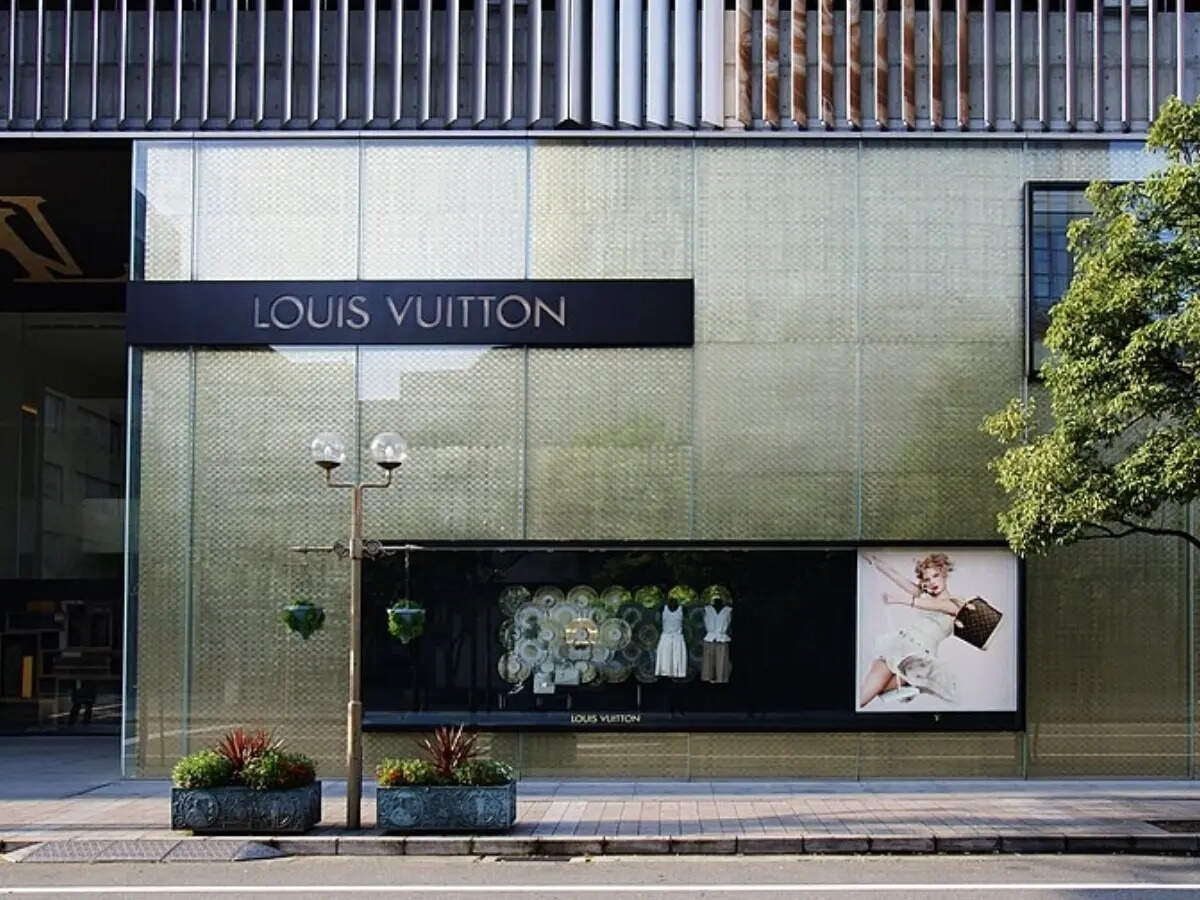
Why Bernard Arnault warns against obsessing over quarterly results? Image credit – Wikimedia
Why patience is an assetMost managers see speed as the key to success, yet many academics have argued that patience could offer distinct competitive advantages. The patient approach enables organisations to dedicate resources to initiatives that might not yield short-term gains but would help them grow and compete in the long run. Such initiatives include investments in product quality, customer service, workforce training, and branding.The corporate strategies of LVMH exemplify such a long-term-oriented mindset. In particular, the company puts priority on craftsmanship, heritage, and effective brand management instead of trying to expand rapidly without regard for sustainability. As per LVMH’s commitments, brand desirability and identity play a crucial role in the organisation’s long-term strategy.Experts believe that this consistency helps businesses stay resilient to changes in the market since consumers keep linking this particular brand to the same characteristics of reliability and high-quality products.Applying the lesson in real lifeThe thing is that, according to professionals, the philosophy shared by Arnault may prove beneficial not only for large multinational corporations but also for small companies, startups, and freelancers. One of the most effective ways to apply this philosophy into practice can be called a “long-term filter.” It means that before making an important decision, a person needs to think about its effects on the long-term relationship between the consumer and the company. Such questions as the following can be helpful:Is our decision going to make our customers happier next year?
- Will our decision strengthen or undermine the trust?
- Are we putting quality above speed or vice versa?
- Would we be proud of this decision made by us in several years?
Avoiding decisions that might bring quick results but damage the company’s reputation and future.A lesson that focuses on sustainabilityWhat the billionaire CEO is trying to emphasise is not that one must disregard his quarterly results. The point he makes is that his short-term results must not become the main criterion by which one operates.The most important assets of many businesses are the most difficult to quantify and evaluate in the short term. Trust, appeal, reliability, and customer satisfaction may take years to build but vanish overnight. This is why Arnault’s philosophy about the long run is still applicable in the global context and not only within the luxury business.